imagine living in…
Gdańsk
A port city on the Baltic Sea.
0
live opportunities
with AIESEC Gdańsk
Your local team
AIESEC Gdańsk
They host AIESEC projects in and around Gdańsk. Nothing is open with them right now.
About the place
Meet Gdańsk
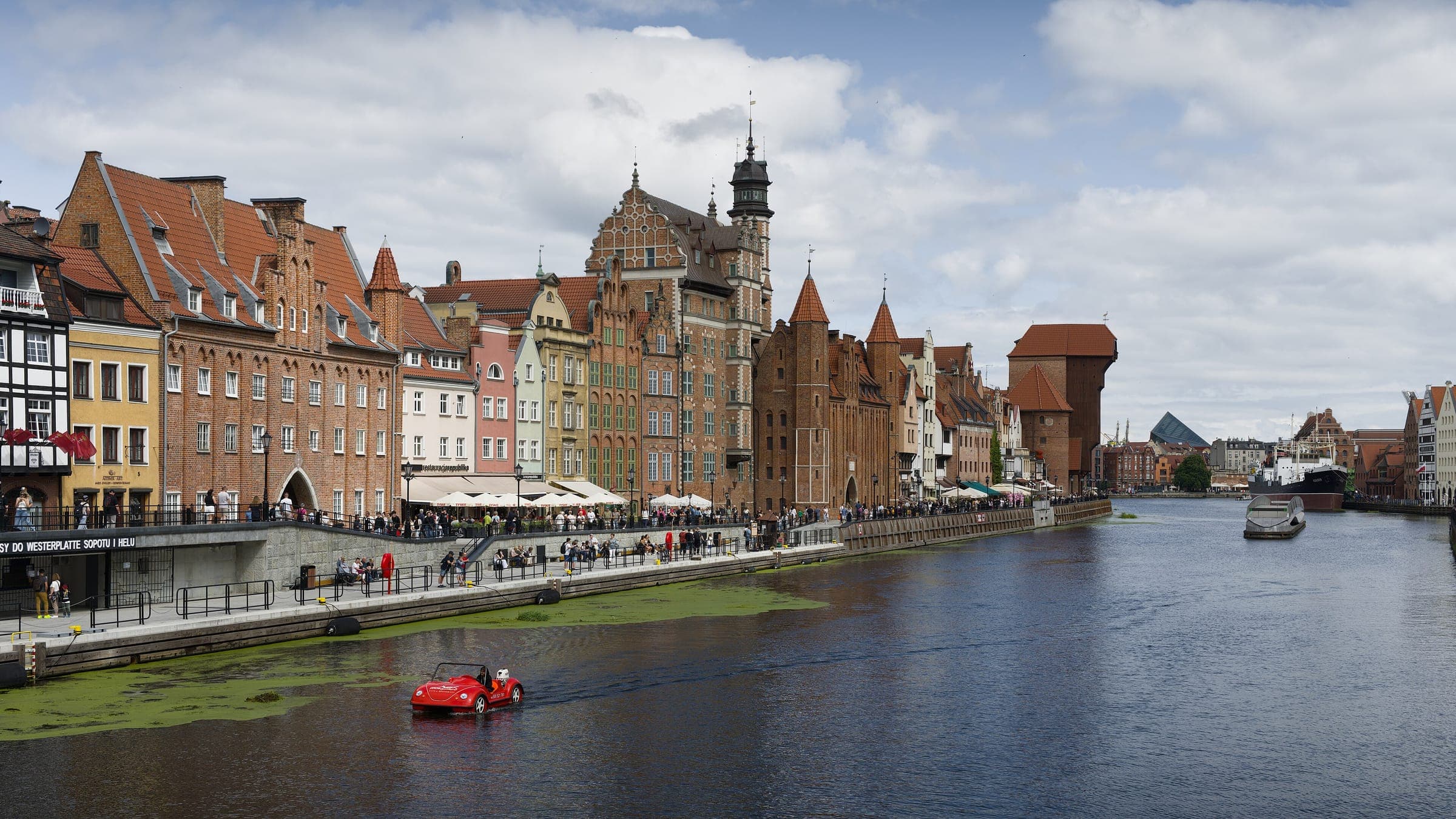
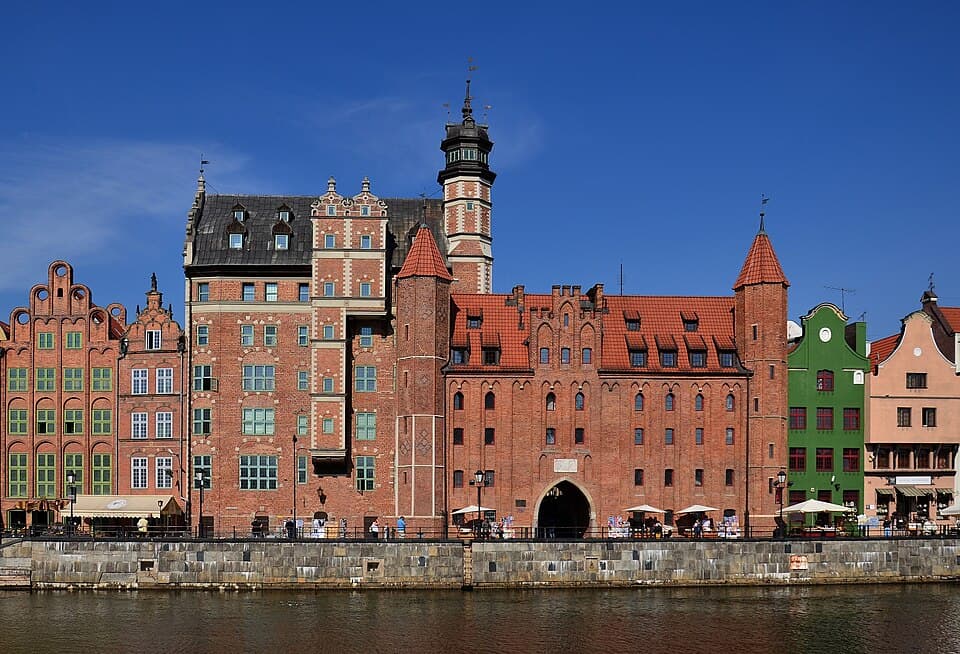
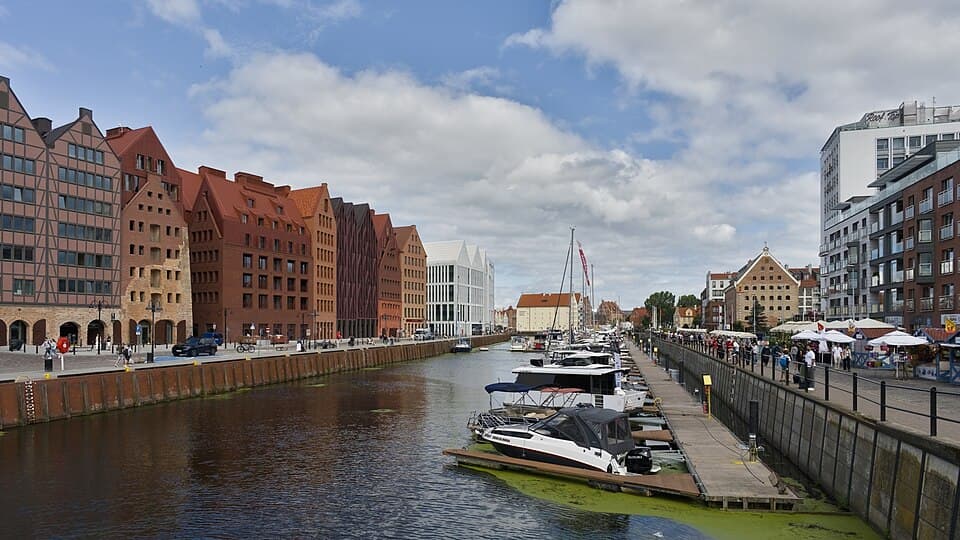
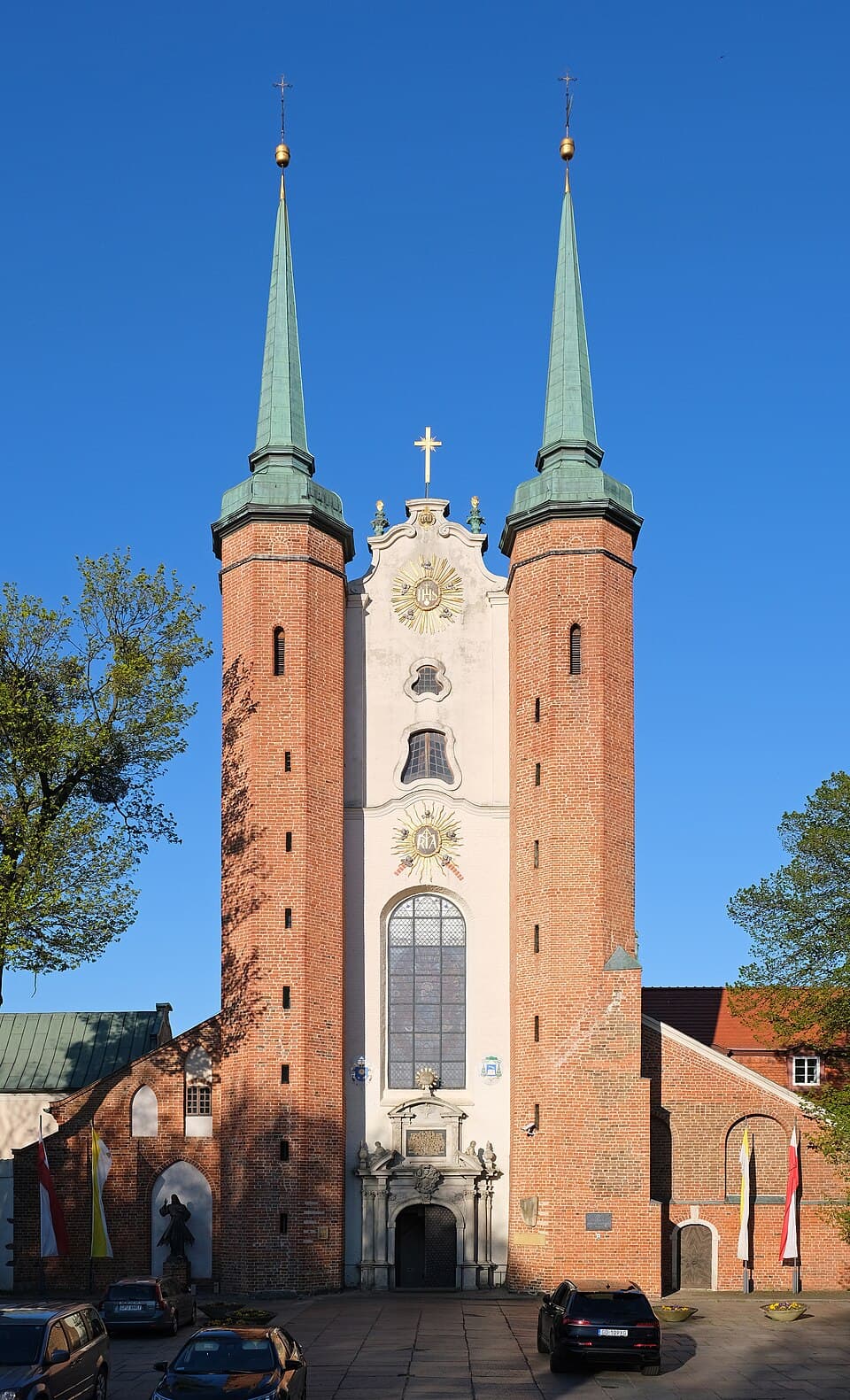
Gdańsk is a city on the Baltic coast of northern Poland, and the capital of the Pomeranian Voivodeship. With a population of 486,492, it is Poland's sixth-largest city and its major seaport. Gdańsk lies at the mouth of the Motława River and is situated at the southern edge of Gdańsk Bay, close to the city of Gdynia and the resort town of Sopot; these form a metropolitan area called the Tricity (Trójmiasto), with a population of approximately 1.5 million.
From Wikipedia (CC BY-SA)
- Region
- Pomeranian Voivodeship
- Distance
- 284 km to Warsaw · 485 km to Kraków (straight line)

Life here
What Gdańsk feels like
- Part of the Tricity with Sopot and Gdynia
- Beaches a tram ride away
- Colourful waterfront on the Motława
your free time
What to do in Gdańsk
Things to do
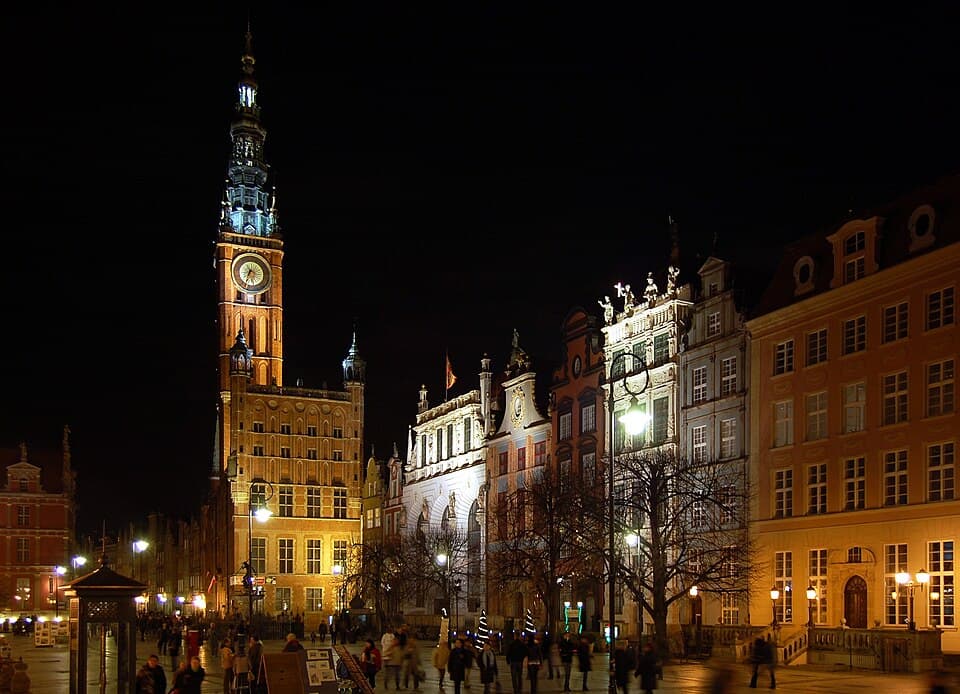
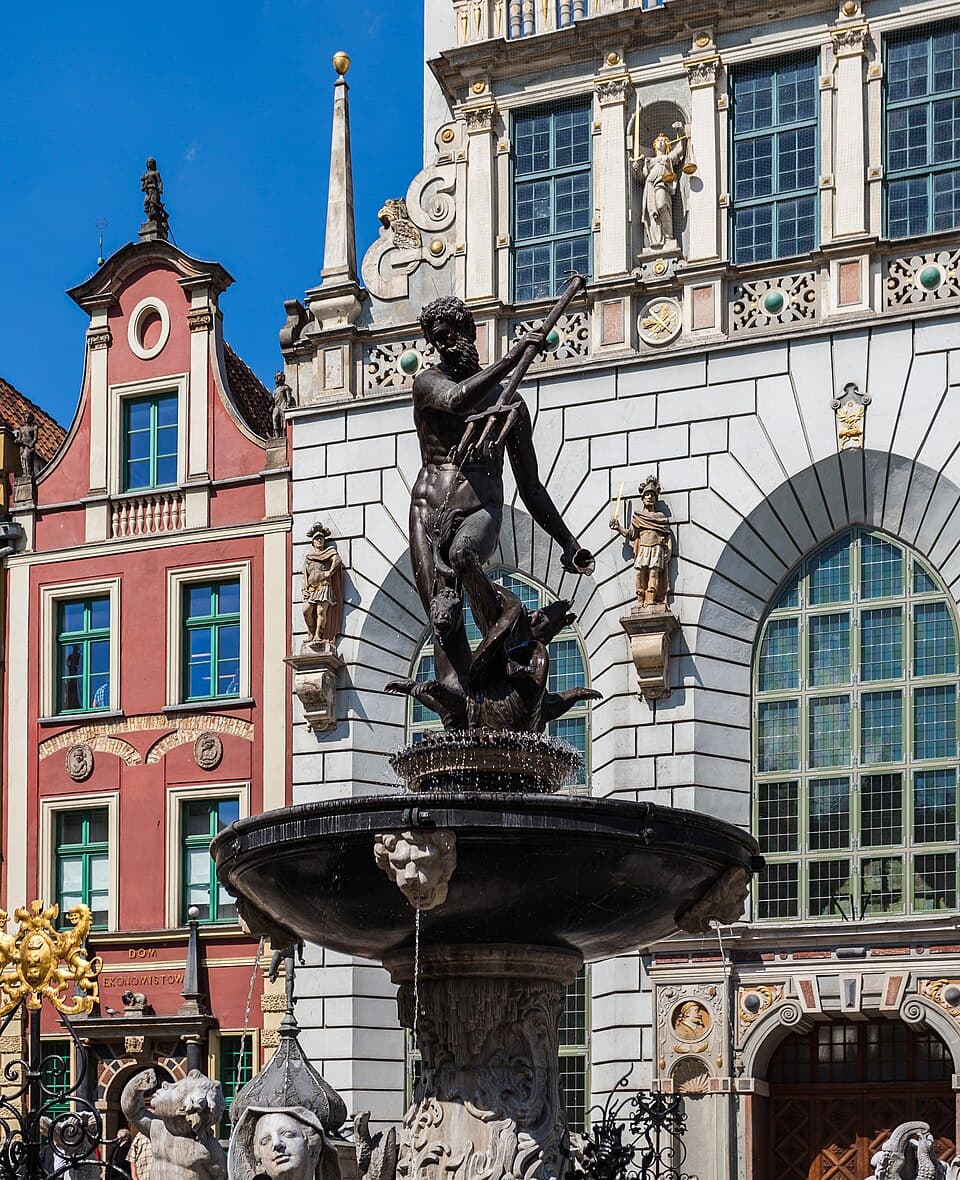
- Long Market and Neptune's Fountain
- The medieval Crane on the Motława river
- Mariacka Street, famous for amber
- European Solidarity Centre, where the Solidarity movement started
- Beaches in Brzeźno, or Sopot's pier a short train ride away
Food to try
- Fresh fish by the sea
- Goldwasser, a herbal liqueur with flakes of gold
Student life
Several universities, and the nightlife and beaches of three coastal cities within a short train ride.
Weekend trips
- Sopot, its pier and beaches
- Malbork Castle (UNESCO)
- The Hel Peninsula
Before you come
Good to know
- Flying in
- Gdańsk (GDN), 12 km away · Bydgoszcz (BZG), 146 km away
- Getting around
- Trams and buses. The Jakdojade app plans routes and sells tickets.
- Money
- Polish złoty (PLN). Cards and phone payments work almost everywhere.
- Language
- Polish. Many young people speak English, and your local AIESEC team helps with the rest.
- Weather
- Cold winters, often below 0 °C, and warm summers. Pack for the season of your project.
- Emergencies
- Call 112, the EU-wide emergency number. Plugs are type C/E, 230 V.